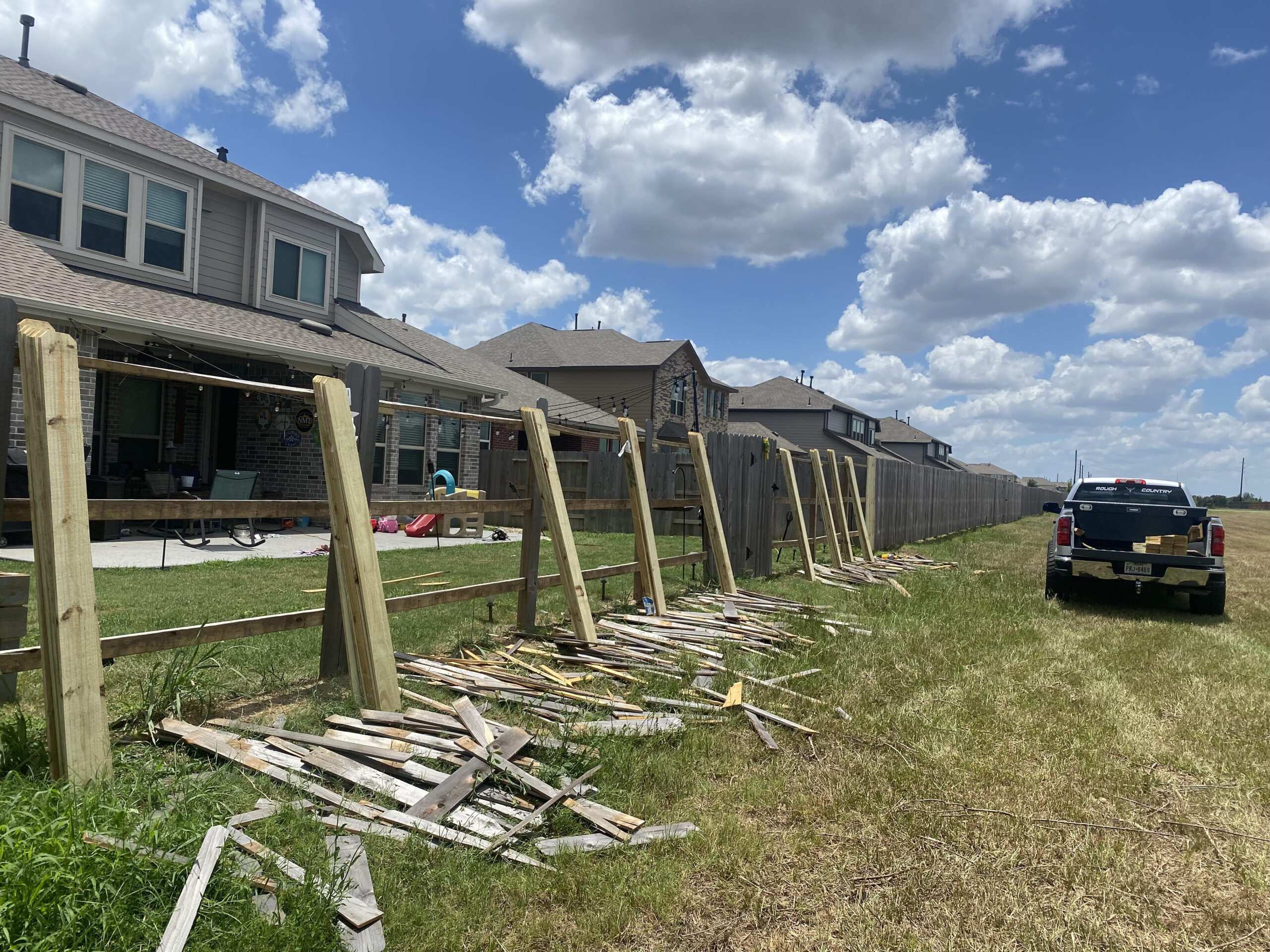
The strongest fence is not simply a line of panels. It responds to the property, supports the way the yard is used, and anticipates Houston weather.
Define what the fence needs to do
Privacy, pet safety, pool separation, noise, and visual character can lead to different layouts. Identify the primary purpose first, then decide on height, spacing, gates, and sight lines.
Read the site before choosing the layout
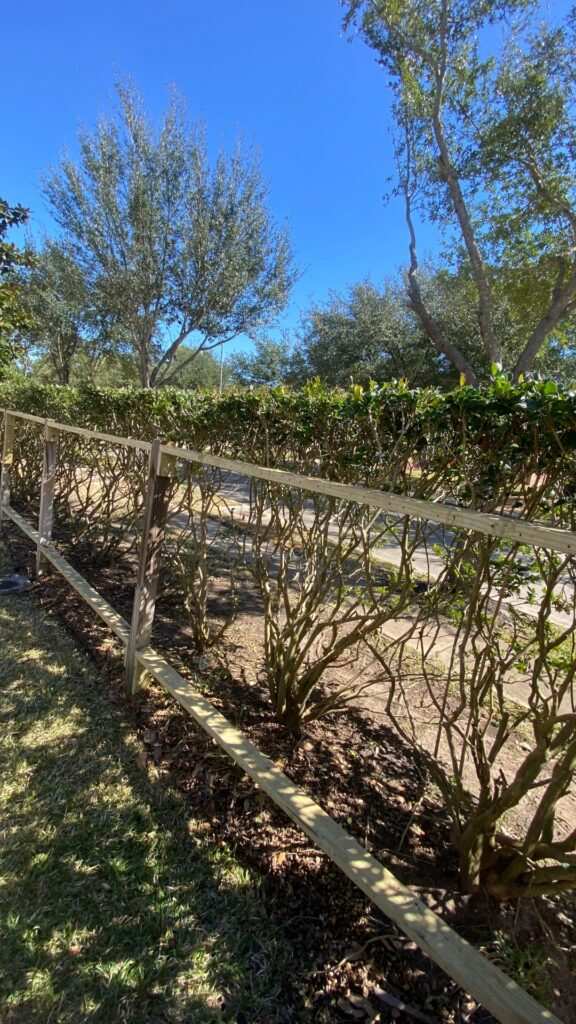
Grade changes, drainage, trees, utilities, and access points affect post placement and panel transitions. Existing conditions should inform the design instead of being treated as surprises during installation.
Choose material for maintenance and exposure
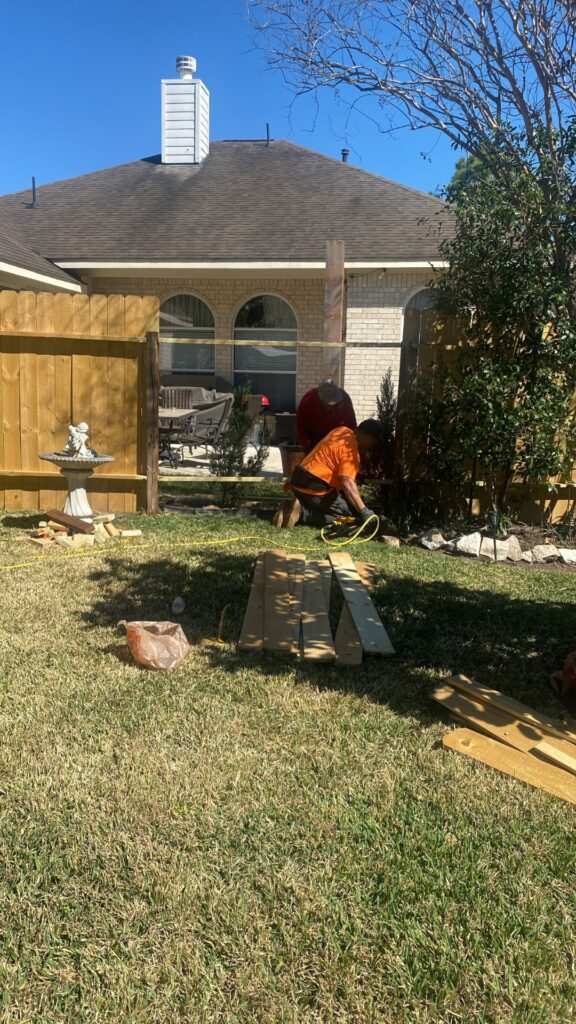
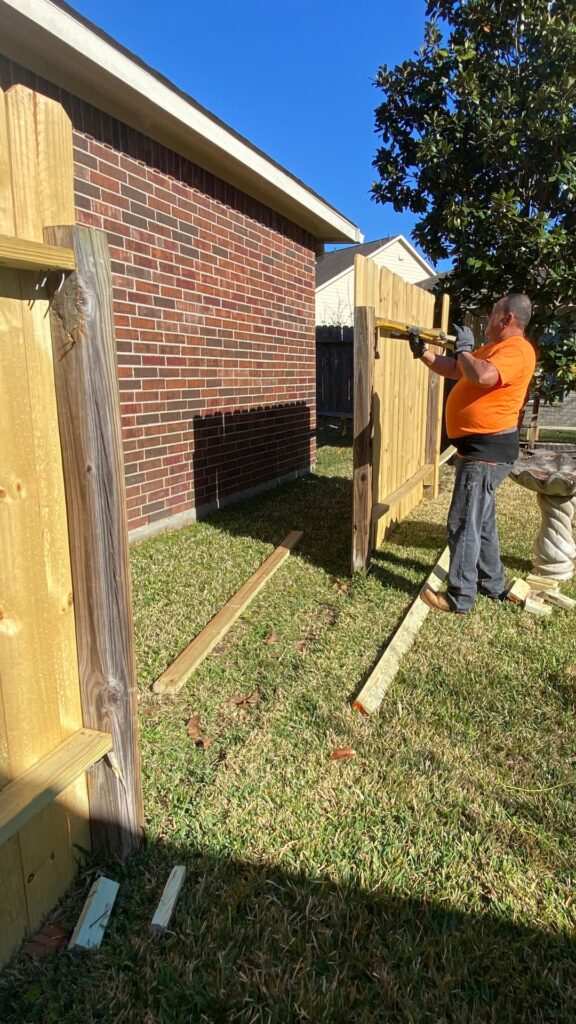
Sun, moisture, soil contact, and finish maintenance influence how a fence ages. Ask how the material should be protected and what regular care will help it remain stable.
Know when repair is enough
Localized damage may allow for focused repairs. Widespread movement, rot, or failing posts can make replacement more practical. A site review helps separate cosmetic issues from structural ones.
Planning a fence project?
Share the property location, approximate length, and the problem the fence needs to solve.
Discuss the project